Wednesday
11:45 AM
Inequality Discussion Group with Thelonious Goerz
Location: Uris Hall, 360
 Department Homepage
The College of Arts & Sciences
Department Homepage
The College of Arts & Sciences
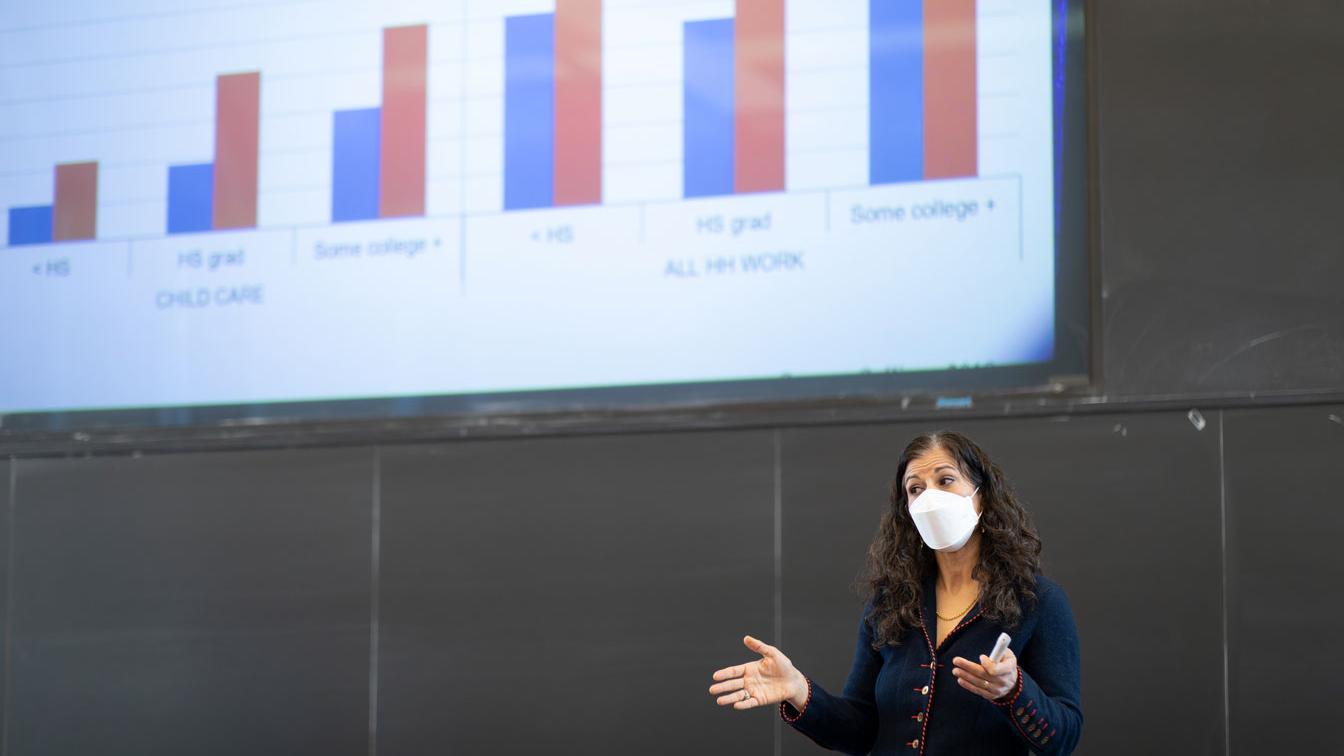
Cornell University’s Center for the Study of Inequality (CSI) is devoted to understanding patterns, causes, and consequences of social and economic inequality. CSI fosters new and cutting-edge research, trains undergraduate and graduate students, encourages the exchange of ideas among inequality researchers, and disseminates research findings to a broader public.
Location: Uris Hall, 360
Location: Martha Van Rensselaer Hall, 2250
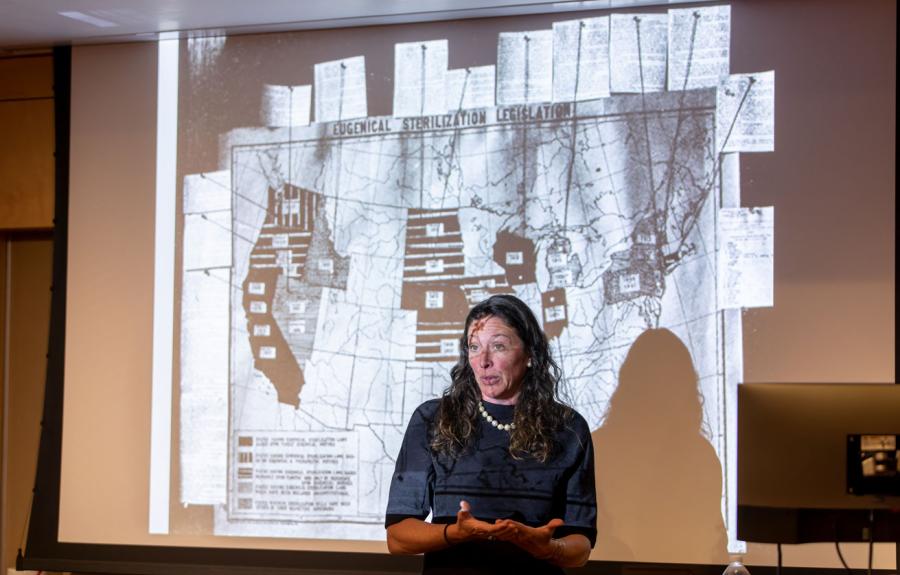
Visiting and Colloquium Speakers
The Center for the Study of Inequality regularly sponsors and co-sponsors lectures and conferences that feature world-renowned scholars and that draw attention to the most pressing problems and controversies in the field. Unless otherwise noted, events are free and open to the public. Please feel free to contact us to inquire about support for your event. Current and forthcoming events can be viewed here.
Inequality Discussion Group
This biweekly discussion group brings together Cornell faculty and graduate students from around campus to discuss and improve their in-progress research.
Past Events
Review past events CSI has hosted or co-sponsored.

Public policy and sociology professor Matthew Hall will examine examining aging populations in the Phi Beta Kappa Distinguished Lecture at Cornell University Oct. 28. He will address impacts on work, housing, schools, politics and migration issues.

Cynthia Miller-Idriss ’94 will deliver a Cornell University Lecture examining links between misogyny and violent extremism. The leading scholar’s Sept. 30 talk, co-sponsored by departments in the College of Arts and Sciences, draws on her book “Man Up,” exploring gender-based violence as a predictor of radicalization.

Cornell University alum Dominique Thorne '19 will visit campus Sept. 9-10 for film screenings, discussions and meetings with students. She’s the 2026 Heermans-McCalmon Distinguished Guest Artist, a program of the Department of Performing and Media Arts (PMA) in the College of Arts & Sciences.

Cornell University sociologists Benjamin Cornwell, Barum Park and Cristobal Young of the College of Arts & Sciences found social connections are as unequally distributed as income, reinforcing economic advantage. Their open-access book, Friends and Fortunes: Social Capital Inequality in America, shows wealthy Americans hold larger, more influential social networks.

From the early days of Cornell’s founding to the present, scholars have studied the idea and the practice of democracy.

Cornell College of Arts and Sciences professor Isabel M. Perera won the Charles H. Levine Memorial Book Prize and the 2026 European Studies Book Award for “The Welfare Workforce.” Her book examines disparities in mental health care policy.
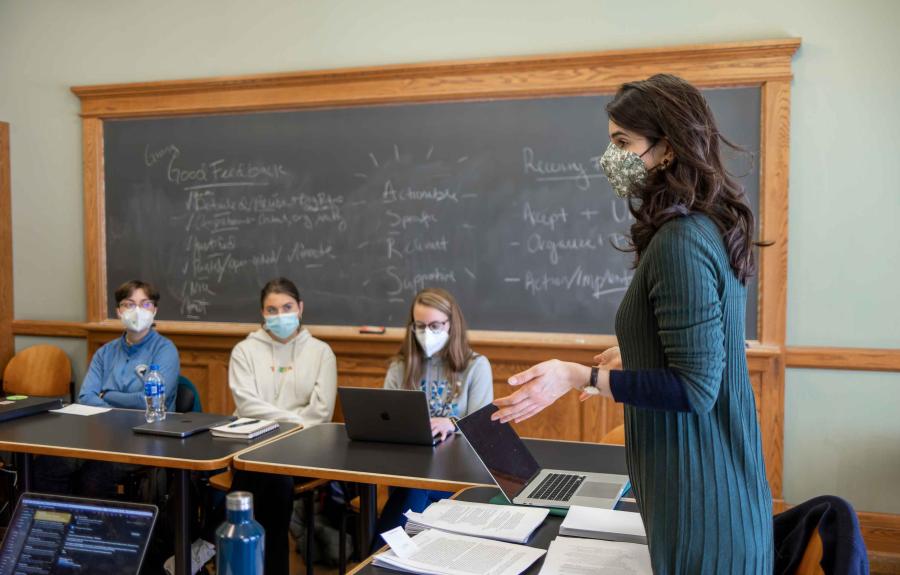
Our online quiz tests your knowledge of current data on wealth, income, and racial inequities in the U.S. When you’re done with the 12 questions, you'll see a histogram that shows how you fared relative to other quiz-takers.